

| Table Of Contents |
| 1. Sound and Vision Game Design that Engages All Senses |
| 2. Multisensory Slots |
| 3. Live Dealer Atmosphere |
| 4. Payments, Bonuses, And Player Flow |
Sound and Vision Game Design that Engages All Senses
When I first logged into a new online casino that really cared about atmosphere, I remember pausing, almost reflexively, to turn the volume up and watch the subtle animations. That moment—curiosity that becomes immersion—is exactly what designers aim for at platforms like https://1millionbet.com/, where sound cues, visual feedback, and tactile interfaces are layered to keep you engaged without shouting for attention.
Designers talk about “flow” a lot, and that can sound abstract, but practically it means the site nudges you forward without making you feel pushed. A soft chime when you complete registration, a sticky shimmer that follows your cursor on hover, the slight percussion when reels spin, these are small things. They add up. In my experience, they also reduce friction — you feel guided rather than herded.
Multisensory Slots

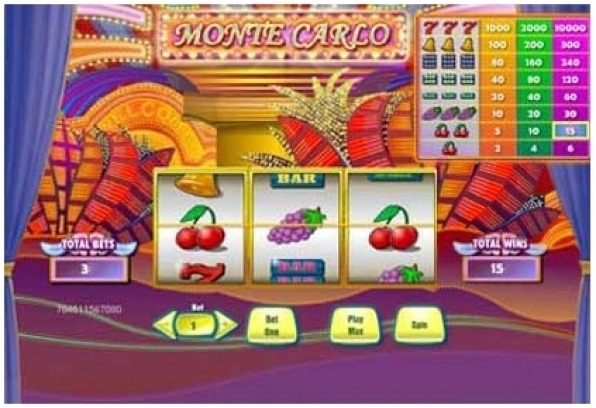
Slot developers have learned the hard way that visuals alone don’t keep players for long. You need layering: a visual theme that tells a story, dynamic sounds that change with prize size, and haptic feedback on mobile. I once tried a game that had a celebratory swell that felt too frequent, and honestly I muted it after a few spins. So subtlety matters.
| Feature | What It Does | Player Benefit |
|---|---|---|
| Adaptive Soundtrack | Shifts intensity based on streaks | Tension and reward feel earned |
| Micro-Animations | Tiny visual cues on wins | Clear feedback, less confusion |
There’s a balance: too many cues are noise, too few and it’s bland. Designers test variants, often A/B testing different audio levels and animation timing. The goal is emotional rhythm, not constant stimulation.
On the practical side, payment flows and bonuses need that same design sympathy. If the welcome bonus popup is loud and jarring, you might close it and miss terms. If the cashout sequence feels clunky, trust slips away fast. Good platforms make these moments clear, calm, and even a little satisfying.
- Check the onboarding: is the registration short and obvious?
- Look for subtle confirmations, not intrusive modals.
- Make sure sound and motion can be toggled quickly.
Live Dealer Atmosphere
Live dealer rooms are interesting because they blend performance and platform. The audio-visual mix has to support a human presence — you want the dealer’s shuffle and chat to feel authentic but never intrusive. I like when a dealer’s smile pops up in the UI with a subtle glow, it humanizes the interaction. But again, not too much. Keep it tasteful.
Latency is part of the sensory equation, too. A 300ms lag between a dealer’s flip and the visual result creates a tiny, maddening disconnect. Fast, predictable synchronization makes the experience feel honest.
- Choose live rooms with clear video and synchronized audio.
- Use chat and sound controls to set your own pace.
- Note how bonuses are applied in live play, some sites handle them better than others.
| Area | Design Tip | Player Impact |
|---|---|---|
| Registration | Minimal fields, instant confirmation sound | Fewer drop-offs |
| Payments | Clear status updates, simple UI | Trust and repeat behavior |
| Bonuses | Transparent terms, calm notifications | Higher uptake and satisfaction |
To me, the most memorable casino sessions are the ones where you barely notice the interface because it’s working so well. That’s the paradox: great design is both obvious and invisible. It guides you, entertains you, and then steps out of the way so the games can do their work.
So when you next browse an online casino, try paying attention to the small sounds, the timing of animations, and how payments and bonuses are communicated. It tells you a lot about how much thought the platform has put into your experience, and often, whether you’ll come back.